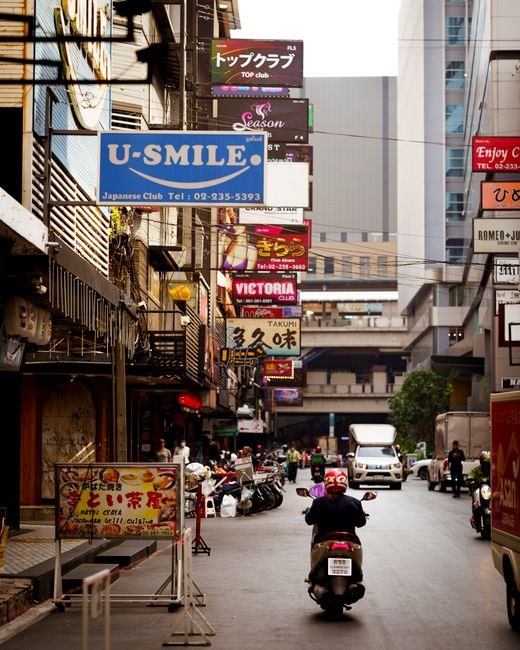
Overview of Thailand’s Sexual Landscape
Thailand’s sexual landscape blends tradition and modernity, shaped by Buddhist values, evolving tourism, and shifting social norms. While public modesty remains, private spaces reflect diverse expressions, influenced by economic growth and global connectivity. It blends values with modern change;!!!
1.1 Cultural Attitudes Towards Sexuality

Thailand’s cultural attitudes towards sexuality are rooted in a complex tapestry of Buddhist teachings, traditional customs, and modern influences. Historically, the country’s moral framework emphasized modesty, reverence for the family unit, and a clear demarcation between public and private conduct. The concept of “saving face” often guided people to maintain decorum in public spaces while allowing more intimate expressions within the confines of the home. In contemporary society, rapid urbanization, increased exposure to global media, and the rise of a vibrant tourism industry have introduced new dynamics. Young Thais, especially in metropolitan hubs like Bangkok, are increasingly open to discussing sexual topics, yet they still navigate a delicate balance between progressive ideas and deep-seated cultural sensitivities. The influence of the Thai monarchy, revered as a symbol of national unity, also shapes attitudes, as the royal family’s public image promotes a sense of propriety and respect for traditional values. Moreover, the country’s legal system, which incorporates both civil and religious principles, reflects a nuanced stance on sexual matters, balancing protection of individual rights with community norms. In rural areas, the influence of local temples and community leaders remains strong, fostering environments where open dialogue about sexuality is often limited.NGOs and educational programs have begun to bridge gaps, offering workshops that promote healthy relationships, consent, and sexual well‑being. for all safety.
1.2 Historical Context and Modern Influences
Thailand’s sexual history is a layered narrative that intertwines ancient customs, colonial encounters, and contemporary global currents. In pre‑modern times, sexuality was largely governed by Buddhist precepts, royal decrees, and the caste‑based social order. The monarchy’s patronage of temples fostered a culture of modesty, while royal courts occasionally displayed more liberal attitudes, especially during the reign of King Rama V, who introduced Western legal codes that subtly shifted public discourse. The early 20th century saw the rise of “khlong” entertainment districts, where traditional music, dance, and erotic art coexisted, reflecting a society negotiating between tradition and modernity. Post‑World War II, rapid industrialization and the influx of foreign tourists brought new economic opportunities and cultural exchanges, giving birth to Thailand’s renowned nightlife and sex‑tourism industry. The 1970s and 1980s witnessed a surge in liberal attitudes among urban youth, influenced by global counter‑culture movements and the spread of Western media. Yet, the country’s legal framework continued to enforce conservative norms, particularly through the 1997 Sexual Offences Act, which sought to protect minors while balancing adult freedoms. In the 21st century, digital connectivity has accelerated the spread of sexual education, yet it also amplifies challenges such as exploitation and misinformation. Social media platforms now host a mix of advocacy groups promoting consent and safe sex, alongside fringe communities that perpetuate harmful stereotypes. The government’s recent initiatives, including the National Sexual Health Strategy, aim to harmonize traditional values with modern public health imperatives, encouraging open dialogue, comprehensive sex education, and accessible healthcare services. Thailand’s evolving sexual discourse balances tradition with modernity today.
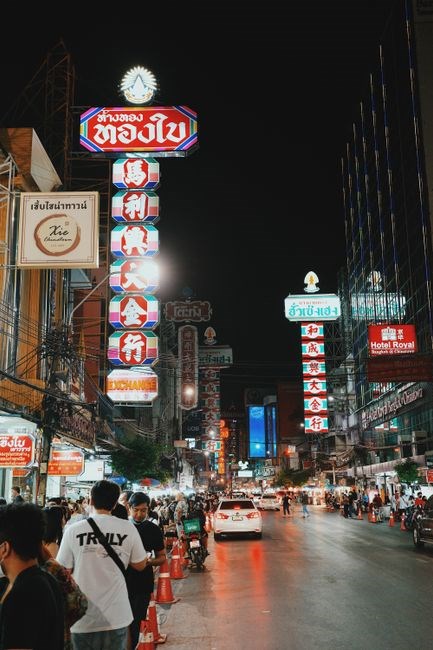
Legal Framework for Sexual Activities
Thailand’s legal landscape governs sexual conduct through statutes such as the Sexual Offences Act, age‑of‑consent laws, and regulations on prostitution. These laws balance protection, morality, and economic interests, shaping both domestic and tourist behaviors!
The age of consent in Thailand is 15 years, but the law imposes stricter limits for activities involving minors and certain sexual acts. Sexual conduct with a person under 18 is generally prohibited, and there are additional provisions that criminalize exploitation, incest, and non‑consensual acts. The Sexual Offences Act of 1999 and its amendments set penalties ranging from fines to imprisonment, depending on severity. For instance, consensual sex with a minor aged 15‑17 may be treated as statutory rape if the adult holds authority, such as a teacher. The law also addresses force, coercion, or deception, making any non‑consensual encounter punishable. In practice, enforcement varies, and local authorities may interpret the statutes differently across regions. Travelers should be aware that while the legal framework aims to protect minors, it also imposes obligations on adults to ensure consent is informed, voluntary, and free from manipulation. Violations can lead to criminal charges, mandatory reporting, and potential civil liability. Understanding these legal boundaries is essential for responsible conduct and avoiding unintended legal consequences. Legal compliance is vital for both locals and visitors. These statutes cover sexual activities involving minors marriage, age is 20, but a 15‑year‑old can marry with parental consent. The system requires documentation for sexual activity with minors; failure comply can result in civil penalties. Awareness of these laws protects individual, community and from legal a repercussions. and the law strict.
Thailand’s commercial sex industry is regulated by the Prevention and Suppression of Prostitution Act (PSPA) and the Tourism Authority of Thailand (TAT) guidelines. The PSPA criminalizes the operation of brothels, solicitation, and pimping, while allowing licensed massage parlors that meet strict health and safety standards. All venues must register with local authorities, provide regular health checks for workers, and display visible signage indicating compliance. The law also prohibits the use of minors, trafficking, and exploitation; offenders face fines up to 50,000 baht and imprisonment of up to five years. Tourist operators must adhere to the TAT’s “Responsible Tourism” code, which requires transparency in pricing, consent, and safe‑sex practices. Violations can lead to license revocation, civil penalties, and criminal charges. While the industry is tolerated in certain zones, it remains illegal to operate outside designated areas. Travelers should verify that establishments are licensed, workers are of legal age, and that all services are consensual and safe. The government’s enforcement has increased in recent years, with regular inspections and public awareness campaigns. Compliance with these regulations protects both the local economy and the rights of workers, ensuring that tourism remains ethical and sustainable. This framework balances cultural sensitivities, public health concerns, and economic interests, aiming to reduce exploitation while supporting legitimate businesses. The Thai government runs public education campaigns to promote safe sex and consent, offering free condoms and STI screening at community centers. These efforts protect public health and empower.

Social Etiquette and Respectful Behavior

In Thailand, public displays of affection are frowned upon; keep gestures discreet. Respect local customs, avoid eye contact with elders, and use polite language. Consent is essential—ask before engaging. Dress modestly in temples and public spaces.
3.1 Public Conduct and Discretion

In Thailand, public displays of affection are generally discouraged, especially in rural areas and near temples. Couples should keep gestures subtle, avoiding overt kissing or hand‑holding in crowded streets. Respect for the monarchy and Buddhist traditions means that any behavior perceived as disrespectful can lead to social backlash or legal consequences. When visiting temples, dress modestly—shoulders and knees covered—and refrain from touching sacred objects. In markets and nightlife venues, it is wise to maintain a low profile; loud conversations about sexual topics can attract unwanted attention. transportation is a common place to observe local norms: keep noise levels down, avoid eye contact with strangers, and use polite language. In tourist hotspots, while some areas may appear more liberal, Thai law still prohibits public indecency. Therefore, couples should exercise discretion, using private spaces such as hotel rooms or licensed establishments for intimate encounters. By adhering to these guidelines, visitors demonstrate respect for local culture and help maintain harmonious social interactions.
Additional guidance: Visitors should respect cultural sensitivities around religious sites, keeping romantic gestures private. Respect local customs like removing shoes before entering homes or temples. Confirm mutual consent in intimate activities and avoid exploitative behavior. Observing these principles ensures a respectful experience honoring Thailand’s cultural heritage. This mindful approach fosters deep respect and appreciation.
3.2 Consent and Communication in Relationships
In Thailand, consent is foundational to any intimate interaction, yet cultural nuances shape how it is expressed. Couples should prioritize open dialogue, using clear language and mutual agreement before engaging in any activity. Explicit verbal consent—“yes,” “I’m comfortable,” or “I’m ready”—is essential, especially in a society where non‑verbal cues may be interpreted differently. In relationships, ongoing communication is key; feelings and limits can evolve, so partners should revisit consent regularly, checking in with each other. Respect for personal autonomy is a core value in Thai society, and ignoring it can lead to emotional distress or legal repercussions. Respectful communication also includes listening to non‑verbal signals—body language, tone, and hesitation—and responding appropriately.
Thai law emphasizes consent in sexual relationships, with penalties for non‑consensual acts. Educating partners about the legal definitions of consent—such as the requirement that it be freely given, informed, and revocable—helps prevent accidental violations. In practice, this means that any change of mind, even mid‑interaction, must be respected immediately. Couples should also be aware of cultural expectations that sometimes pressure individuals into compliance; recognizing and challenging these pressures is part of responsible communication. By combining legal awareness with compassionate dialogue, travelers and residents can navigate Thailand’s sexual landscape with dignity and respect.
Understanding the distinction between consent and compliance is crucial. Consent must be given freely, without coercion, and can be withdrawn at any time. In Thai culture, where indirect communication is common, partners should explicitly confirm willingness before proceeding. When engaging with local service providers, verifying that all parties have explicitly consented protects both clients and workers. Open communication fosters mutual respect for safety.

Health, Safety, and Responsible Practices
Prioritize safe sex with condoms, regular STI testing, and respectful communication. Seek reputable clinics for treatment. Protect yourself and partners through responsible, informed choices. Use local health centers for vaccinations and counseling daily

4.1 Safe Sex Practices and STI Prevention
In Thailand, practicing safe sex is essential for protecting both partners and the wider community. Consistent use of condoms—especially latex or polyurethane—remains the most reliable barrier against HIV, syphilis, gonorrhea, chlamydia, and other sexually transmitted infections. Always check the expiration date, store condoms in a cool, dry place, and use a fresh condom for each new encounter.
Beyond condoms, consider additional preventive measures. Vaccinations for hepatitis B and HPV (human papillomavirus) are widely available in public centers. Regular STI screening—every three to six months for sexually active individuals—helps detect infections early, reducing transmission risk and allowing timely treatment. Many clinics offer free testing, and some NGOs provide mobile testing units in tourist hotspots.
Communication is key. Discuss sexual history, testing results, and boundaries with partners before intimacy. Mutual consent and transparency foster trust and reduce the likelihood of accidental exposure. When traveling, be mindful of local laws and cultural norms regarding sexual behavior, and respect the privacy of others.
Finally, practice responsible hygiene. Wash hands before and after sexual activity, avoid sharing sex toys, and clean lubricants properly. By combining barrier methods, vaccinations, regular testing, and open dialogue, you create a comprehensive safety net that protects you and your partners in Thailand’s dynamic sexual landscape.
4.2 Access to Healthcare and Sexual Health Services
Thailand’s healthcare system offers extensive sexual health services, with public hospitals and private clinics across major cities and rural provinces. Free or low‑cost STI testing, treatment, and counseling are available at public facilities, while private practices provide confidential care and rapid diagnostics for a fee. Travelers can access care by presenting a passport or local ID; many centers accept English and provide multilingual staff. NGOs and community groups run discreet walk‑in clinics and helplines, especially in tourist areas, to ensure anonymity. Payment options include cash, credit cards, and health insurance, with some services covered by the universal health coverage scheme for residents. Online booking platforms allow appointment scheduling for STI tests and consultations, reducing wait times. Telemedicine services are expanding, offering virtual counseling and prescription delivery. Pharmacies dispense condoms, lubricants, and over‑the‑counter medications, and some offer discreet STI kits for self‑testing. Overall, Thailand’s healthcare infrastructure supports comprehensive sexual health care for locals and visitors alike.
Thailand hosts internationally accredited sexual health clinics offering HIV PrEP, PEP, and counseling. Clinics partner with NGOs to provide free testing for marginalized groups, and mobile units extend services to remote provinces. Telehealth consultations are available for discreet advice and prescription refills. These services are available to locals and tourists, ensuring across the nation. Comprehensive.
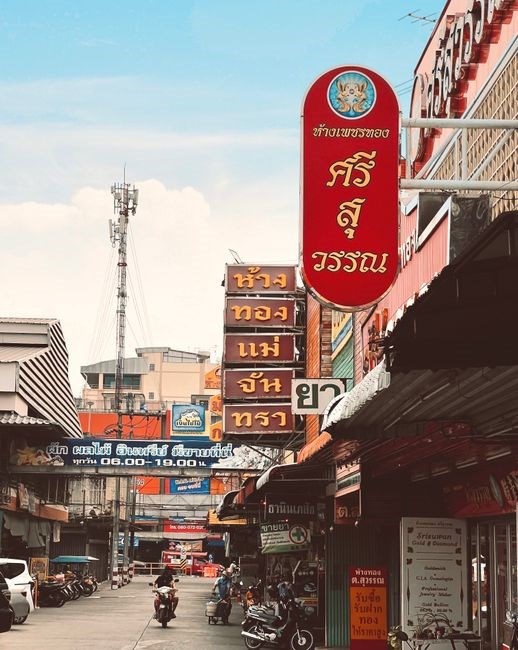
Resources for Travelers and Residents
Travelers and residents can rely on a network of NGOs, hotlines, and online resources for sexual health support. Key services include free counseling, STI testing, and educational workshops. Helplines operate 24/7, while mobile clinics bring care to remote areas. Contact local NGOs for help now! today!;
5.1 Non‑Profit Organizations and Helplines
Thailand hosts a robust network of non‑profit organizations dedicated to sexual health, rights, and support. The Sexual Health Foundation, Thai Women’s Health Initiative, and the Bangkok Sexual Rights Alliance provide free counseling, STI testing, and educational workshops across urban and rural areas. Helplines such as 1669 (for domestic violence), 1666 (for sexual assault), and 1667 (for HIV/AIDS support) operate 24/7, offering confidential advice, referral services, and crisis intervention. Mobile clinics and community outreach programs bring testing kits, condoms, and informational pamphlets to remote villages, ensuring equitable access. Partnerships with international NGOs, local universities, and government agencies strengthen program reach and sustainability. Travelers can also tap into online platforms like SafeTravel.org and the Thai Sexual Health Hotline app for real‑time assistance. All services are culturally sensitive, multilingual, and free of charge, fostering a supportive environment for both residents and visitors.
Volunteer opportunities exist through the Thai Sexual Health Volunteer Network, offering training in counseling and peer education. The network publishes quarterly STI prevalence reports, ensuring transparency. Data privacy is protected under Thailand’s Personal Data Protection Act. Success stories include a 30% reduction in HIV transmission in Chiang Mai after targeted intervention. Travelers can dial 1669 for immediate assistance. Thanks
5.2 Educational Materials and Workshops
Thailand’s educational outreach focuses on comprehensive sexual health, combining printed guides, digital modules, and interactive workshops. The Thai Sexual Education Initiative publishes bilingual brochures covering consent, contraception, and STI prevention, distributed through schools, community centers, and online portals. Mobile apps like “SafeSex Thailand” offer quizzes, symptom trackers, and appointment reminders.
Workshops are hosted nationwide by NGOs, universities, and health ministries. Topics range from adolescent reproductive health to safe sex practices for travelers. Facilitators use role‑play, peer‑education, and culturally relevant case studies to foster open dialogue. Sessions are free, multilingual, and tailored to age groups, ensuring accessibility for both locals and expatriates.

Specialized training for healthcare providers includes updated guidelines on STI testing, treatment protocols, and patient counseling. Accredited courses are available through the Thai Medical Association, with certificates recognized across the region. Online webinars, live Q&A sessions, and community forums supplement in‑person learning, creating a continuous support network.
All materials comply with national health regulations and are reviewed annually by experts to reflect evolving scientific evidence and policy changes. Participants receive take‑away resources, contact lists for local clinics, and digital copies for future reference. Support is ongoing and available.