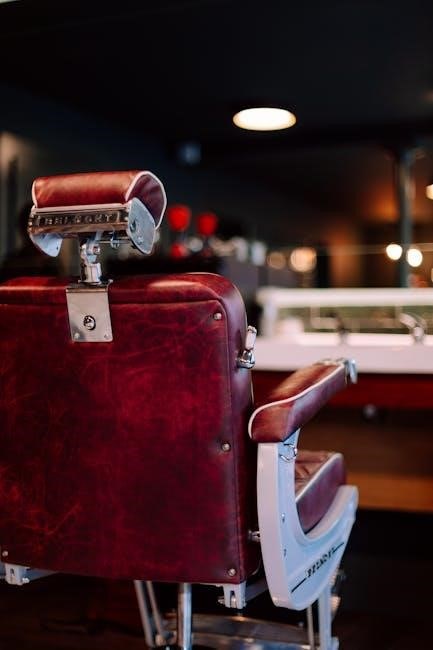
Barber Guide: A Comprehensive Overview (Updated 03/04/2026)
Today’s date is 03/04/2026 23:54:04. This guide explores the evolving world of barbering, from historical roots to modern techniques and professional pathways.
What is a Barber? Historical Context & Modern Roles
Historically, a barber encompassed all forms of hairdressing, functioning as a general practitioner of sorts for personal grooming. Throughout much of history, barbers weren’t solely focused on hair; they also performed surgeries and dental extractions! This multifaceted role continued well into the 20th century.
However, the profession underwent a significant shift. Cosmetology branched off, leading to distinct licensing and specializations. Today, the term ‘barber’ primarily denotes a hair professional specializing in men’s hair, offering services like trimming, styling, shaving, and beard shaping.
Modern barbers often provide additional services, including shampooing, manicuring, and even hair dyeing. They are skilled artisans dedicated to crafting classic and contemporary looks, adapting to evolving trends while honoring traditional techniques. The role has transformed, yet the core focus remains: providing expert grooming and a personalized experience.
The Evolution of Barbering: From General Practitioners to Hair Specialists
The journey of barbering is a fascinating one, transitioning from a broad medical practice to a specialized grooming art. Initially, barbers performed duties far beyond haircuts – including surgery and dental work – acting as vital healthcare providers within communities. This stemmed from a lack of specialized medical professionals.
The 20th century marked a pivotal change. As medical science advanced and specialized fields emerged, barbering began to focus increasingly on hair and grooming. The rise of cosmetology as a separate discipline further defined the barber’s role, emphasizing expertise in men’s hair styling and facial hair.
Today’s barbers are highly skilled specialists, mastering techniques like fades, tapers, and traditional shaves. They represent a refined craft, dedicated to providing personalized grooming experiences and staying current with evolving styles.
Barber Services Offered: Beyond the Haircut
While a precision haircut remains central, modern barber shops offer a diverse range of services extending far beyond simply trimming hair. Traditional barbering prominently features a full-service shave, encompassing hot towel treatments, pre-shave oils, and expert blade work for a remarkably smooth finish.
Many barbershops now provide beard trimming and shaping, meticulously crafting facial hair to complement individual styles. Additional services can include hair dyeing, offering color enhancements, and even manicuring, providing a complete grooming package.
Some establishments also offer specialized treatments like scalp massages or hair restoration advice. Essentially, the contemporary barber shop aims to be a one-stop destination for men’s grooming needs, prioritizing both style and self-care.
Popular Traditional Barber Shop Cuts
Despite evolving trends, several classic barber shop cuts maintain enduring popularity. The timeless side part, often paired with a neat taper, remains a staple for professional settings and a polished look. The pompadour, characterized by its voluminous, swept-back style, exudes a vintage charm and requires skillful styling.
The crew cut, a short and low-maintenance option, offers a clean and classic aesthetic. For those seeking a bolder statement, the quiff delivers texture and height. The classic taper, blending short sides with slightly longer hair on top, provides versatility and a refined appearance.
These traditional styles demonstrate the enduring appeal of expertly crafted barbering, showcasing skill and attention to detail that transcends fleeting fashion trends.
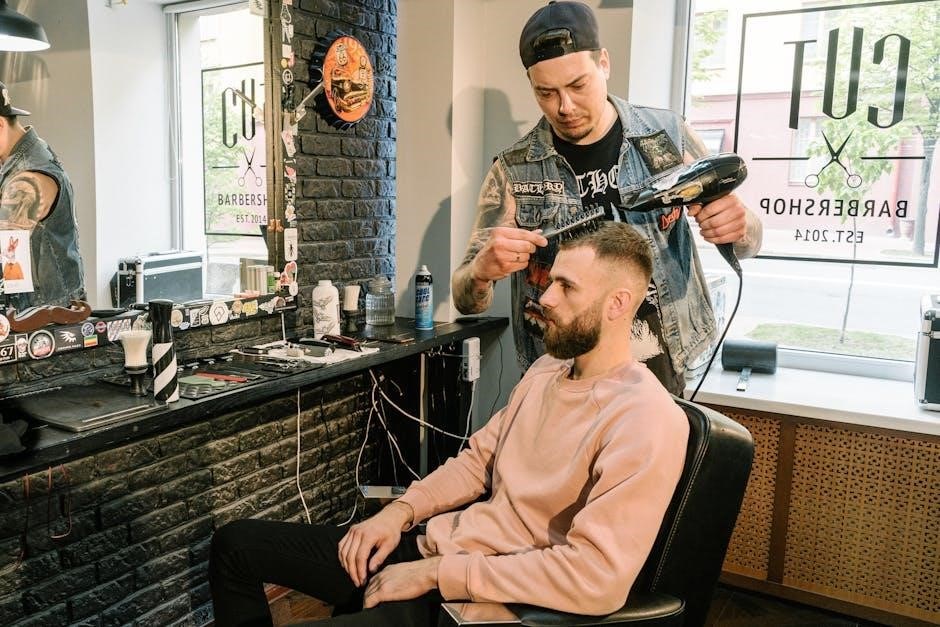
Finding the Right Barber
Locating a skilled barber involves utilizing online platforms, checking availability, reviewing profiles with photos and pricing, and filtering by your desired budget.
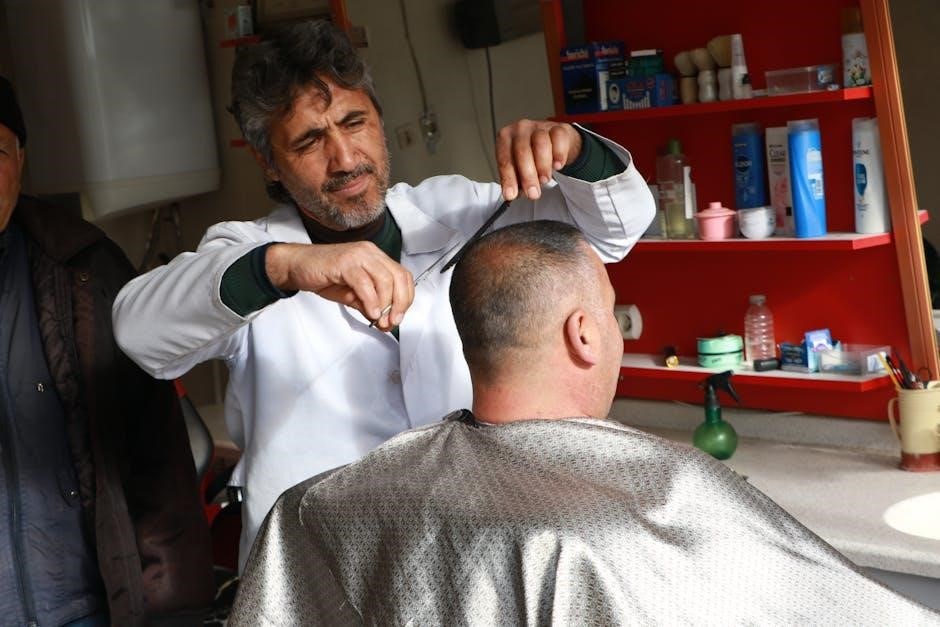
Utilizing Online Platforms: Yelp & Booking Apps
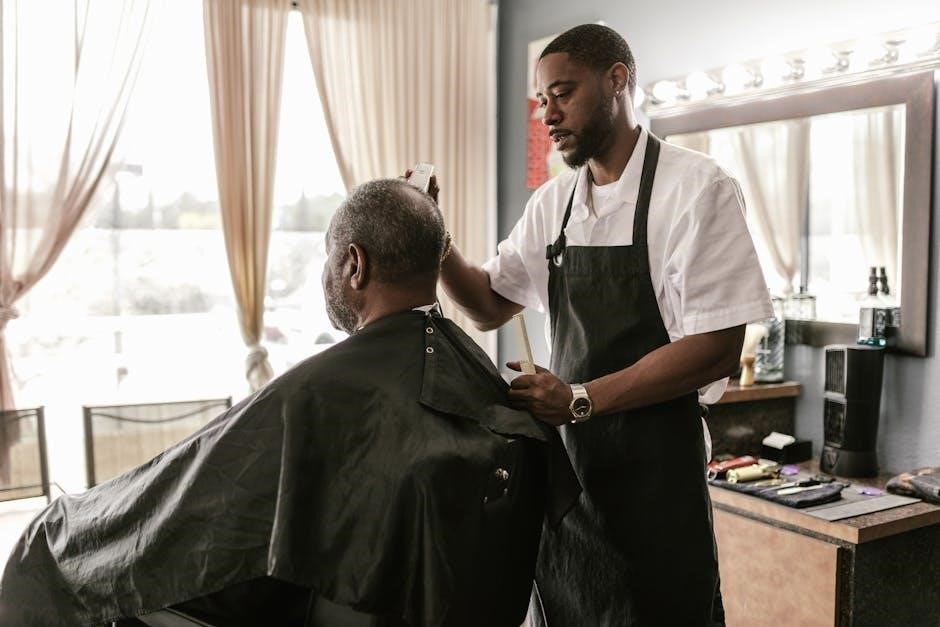
Modern technology dramatically simplifies the process of finding a barber. Platforms like Yelp are invaluable resources, offering comprehensive listings of barber shops in your area. You can explore other popular Beauty & Spas, benefiting from over 7 million businesses and 142 million reviews from Yelpers.
Booking apps streamline appointment scheduling, eliminating the need for phone calls and guesswork. These apps allow you to find a barber available today or schedule for a later date, receiving immediate responses from nearby barbers with open slots.
Before committing, carefully view real haircut photos, ratings, and upfront pricing directly within these platforms. This transparency empowers you to make informed decisions, selecting a barber whose style and price point align with your preferences. Don’t spend more than you want!
Filtering by Price: Budget-Friendly to Upscale Experiences
Barber shop haircut costs exhibit significant variability, ranging from as little as $10 to as much as $100, depending on location and services. Online platforms empower you to filter barber shops based on price, ensuring you find an option that fits your budget.
For a standard buzz cut, expect to pay around $25 to $30. A cut combined with a full-service shave typically costs between $35 and $50. However, these are averages; prices can fluctuate.
Don’t overspend if you’re seeking a simple trim. Conversely, if you desire a more luxurious experience, explore upscale barber shops offering premium services and ambiance. Finding a place in your desired price range is now easier than ever, allowing for a tailored grooming experience.
Checking Availability: Same-Day Appointments & Scheduling
Modern convenience allows you to bypass traditional phone calls and easily determine barber availability. Online platforms and booking apps streamline the process of securing an appointment, offering both immediate and future scheduling options.
Need a haircut today? Many services allow you to submit a request, prompting nearby barbers with immediate openings to respond within minutes. This feature is invaluable for last-minute grooming needs.
Alternatively, you can schedule appointments in advance, ensuring your preferred barber and time slot are reserved. This proactive approach is ideal for busy individuals. Discover barbers available today or plan ahead – the choice is yours, offering flexibility and control over your grooming schedule.
Reviewing Barber Profiles: Photos, Ratings & Pricing
Before committing to an appointment, thoroughly review barber profiles on online platforms. This crucial step empowers you to make an informed decision, aligning your expectations with the barber’s expertise and style.
Examine portfolios showcasing previous haircuts – visual evidence of their skills and aesthetic preferences. Pay close attention to ratings and reviews left by previous clients, providing valuable insights into their experience and satisfaction levels.
Transparent pricing is also essential. Profiles should clearly display the cost of services, allowing you to budget accordingly and avoid unexpected charges. Utilize this information to find a barber who meets your stylistic needs and financial comfort level, ensuring a positive grooming experience.
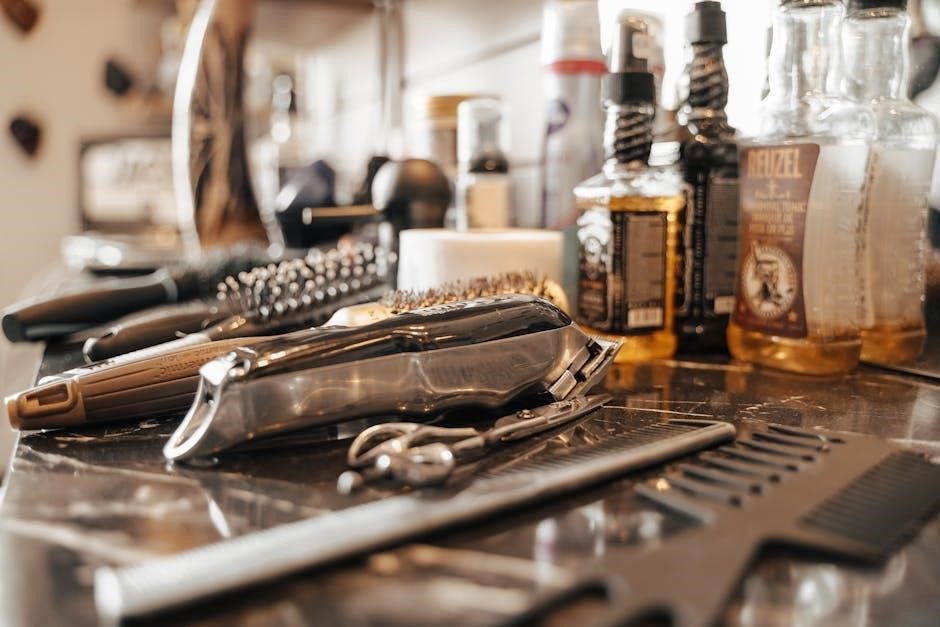
Understanding Barber Pricing
Haircut costs range from $10 to $100, varying by location. A standard buzz cut averages $25-$30, while a cut and shave is $35-$50.
Average Cost of a Standard Buzz Cut
Determining the average cost of a standard buzz cut requires considering several factors, primarily geographical location and the specific barber shop’s pricing structure. Generally, clients can anticipate spending approximately $25 to $30 for this straightforward service. However, this figure serves as a baseline, and prices can fluctuate.
In metropolitan areas or upscale barber shops, the cost may slightly exceed this range, potentially reaching $35 or even $40. Conversely, budget-friendly barber shops or those located in areas with a lower cost of living might offer buzz cuts for around $20. It’s also worth noting that some shops may include a basic neck cleanup with the buzz cut, while others might charge extra for this addition.
Ultimately, researching local barber shops and comparing their pricing is the best way to ascertain the average cost of a buzz cut in your specific area. Online platforms and booking apps often display upfront pricing, simplifying the comparison process.
Cost of a Cut & Full-Service Shave
The combined cost of a haircut and a full-service shave typically falls within the $35 to $50 range, though this can vary significantly based on location, barber expertise, and the shop’s overall pricing tier. A full-service shave isn’t simply a blade to the face; it’s an experience involving pre-shave oils, hot towel treatments, skilled blade work, and often a soothing aftershave balm.
Upscale barber shops specializing in traditional wet shaving may charge upwards of $60 or even $75 for this premium service. Conversely, more basic barber shops might offer a combined service for closer to $30. The complexity of the haircut itself also influences the price; a simple trim will be less expensive than a detailed fade or stylistic cut.
Always confirm the total cost with the barber before commencing the service to avoid any unexpected charges. Examining online pricing or contacting the shop directly is recommended.
Factors Influencing Barber Shop Haircut Costs (Location, Expertise)
Several key factors determine the price of a haircut at a barber shop. Location is paramount; metropolitan areas and cities with a higher cost of living generally command higher prices than rural areas. Barber expertise significantly impacts cost, with experienced barbers known for specialized skills (like intricate fades or beard sculpting) charging premium rates.
The barber shop’s overall ambiance and the services offered also play a role. Upscale shops providing additional amenities – hot towel treatments, scalp massages, premium products – will naturally be more expensive. Demand also influences pricing; popular barbers with long waitlists can often justify higher fees.
Finally, the complexity of the haircut itself is a major determinant. A simple buzz cut will be far cheaper than a detailed, multi-faceted style requiring significant time and skill.
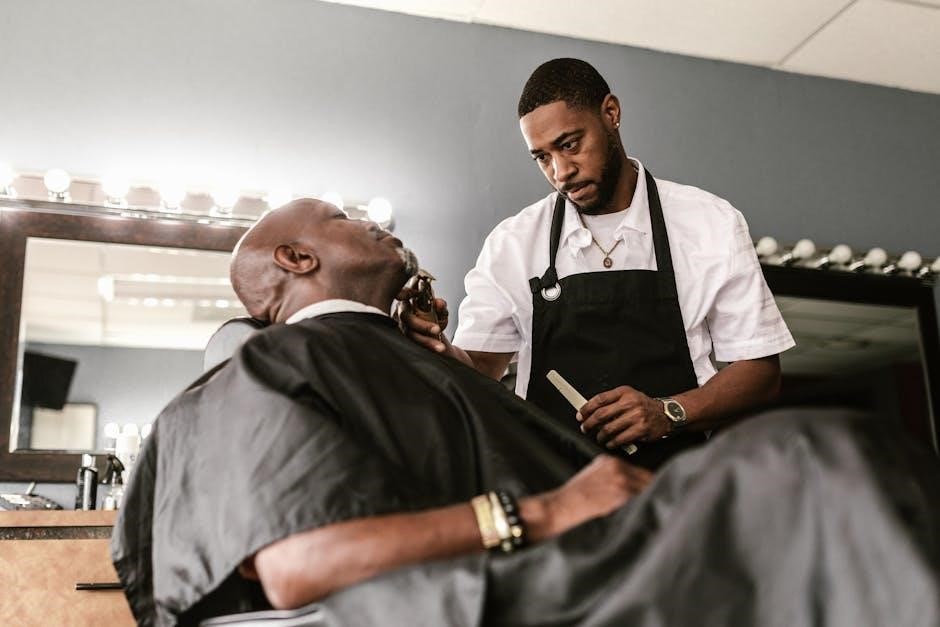
Barbering as a Profession
Barbers and cosmetologists differ in licensing and specialization. The Barber Tutor Training Programme develops educators, while barbers build reputations through profile pages and recognition.
Barber vs. Cosmetologist: Licensing & Specialization
Historically, the roles were unified; all hairdressers were considered barbers, providing a comprehensive range of grooming services. However, the 20th century witnessed a significant divergence, leading to the emergence of cosmetology as a distinct profession. Today, individuals can pursue licensing as either a barber or a cosmetologist, each path offering unique specializations and scopes of practice.
Barbering traditionally focuses on men’s hair, encompassing haircuts, beard trimming, and shaving. Cosmetology, conversely, boasts a broader curriculum, covering hair, skin, and nail care for all genders. This difference in focus dictates the specific skills and techniques taught within each licensing program. While some overlap exists, the core competencies remain largely separate, reflecting the evolving demands of the grooming industry and consumer preferences. Choosing between the two depends on individual career aspirations and desired areas of expertise.
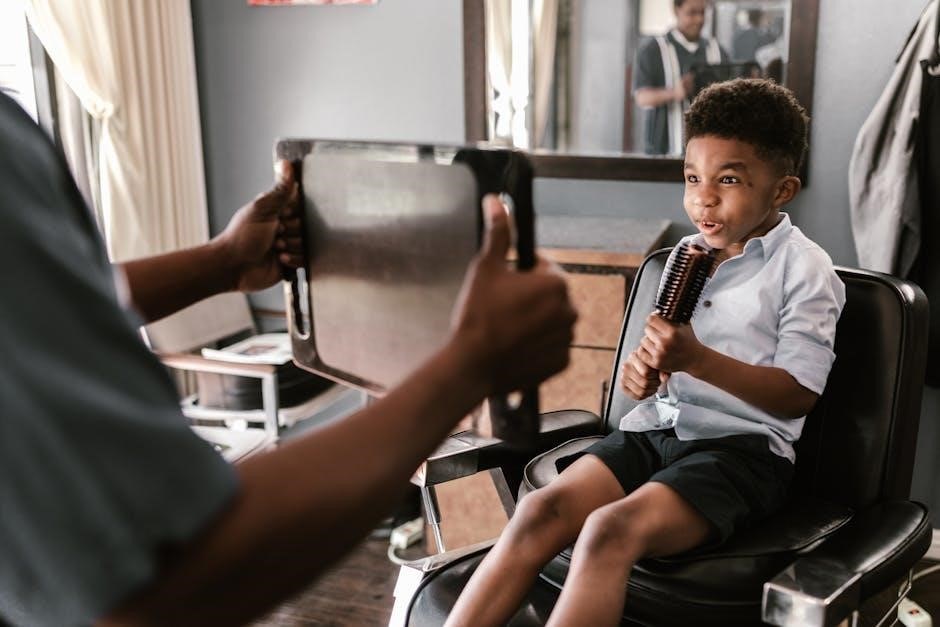
The Barber Tutor Training Programme: Becoming an Educator
Our dedicated Barber Tutor Training Programme is meticulously designed to cultivate passionate and skilled barbers into exceptional educators within the industry. This comprehensive program equips aspiring tutors with the pedagogical expertise and practical knowledge necessary to effectively impart their craft to the next generation of barbers. It goes beyond simply demonstrating techniques; it focuses on how to teach them.
The curriculum emphasizes effective communication, lesson planning, assessment strategies, and understanding diverse learning styles. Participants will gain the skills to confidently deliver engaging and informative training sessions, fostering a supportive learning environment. Successful completion of this programme not only enhances an individual’s professional standing but also contributes to the overall elevation of barbering standards and the continued growth of the profession.
Gaining Recognition: Barber Profile Pages & Building a Reputation
In today’s digital age, establishing a strong online presence is crucial for barbers seeking to expand their clientele and build a thriving career. Creating a professional barber profile page allows you to showcase your unique skills, expertise, and personality to a wider audience. These platforms serve as a dynamic portfolio, featuring high-quality photos of your best work – demonstrating your mastery of various cuts and styles.
Positive client ratings and reviews are invaluable assets, building trust and credibility with potential customers. Consistently delivering exceptional service and actively soliciting feedback are key to cultivating a stellar reputation. A well-maintained profile, coupled with genuine client testimonials, can significantly enhance your visibility and attract new business.
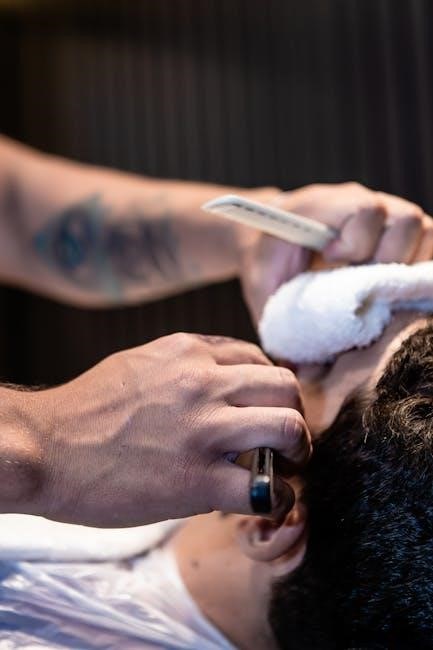
Essential Barbering Tools & Techniques
Barbers utilize classic tools like clippers, razors, and brushes. Modern techniques encompass fades, tapers, and texturizing, requiring skill and precision for optimal results.
Classic Barbering Tools: Clippers, Razors, & Brushes
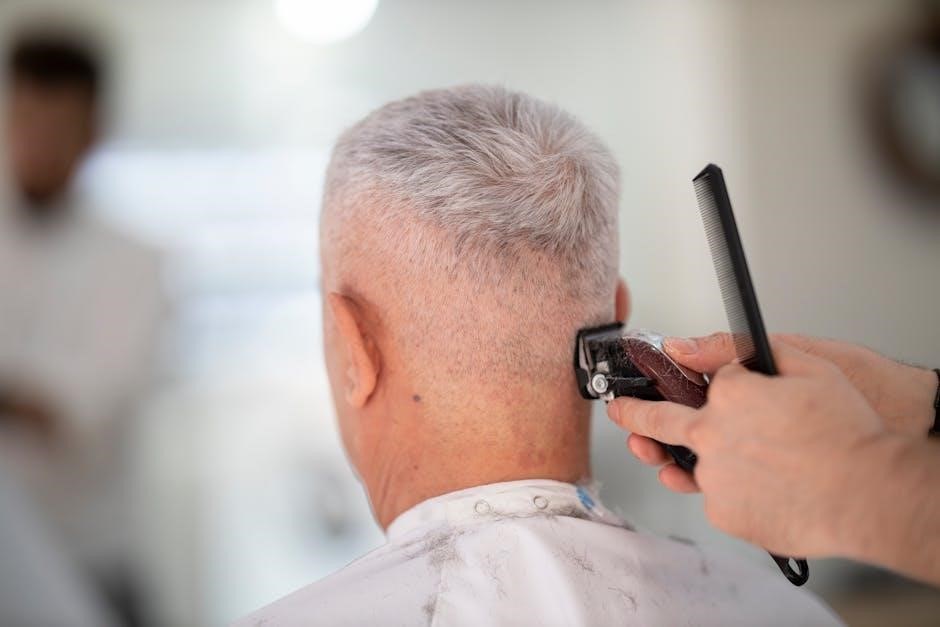
Essential to any barber’s toolkit are clippers, razors, and brushes – each serving a distinct and crucial purpose. Clippers, available in various sizes and with interchangeable blades, are fundamental for achieving precise haircuts, fades, and tapers; They offer versatility for different hair lengths and textures.
Straight razors, though requiring significant skill and maintenance, deliver the closest shave possible, traditionally used for shaping beards and sideburns. Modern disposable razors offer convenience, but the artistry of a straight razor remains highly valued. Brushes, typically made from badger hair, are indispensable for preparing the beard with shaving cream, exfoliating the skin, and lifting the hair for a smooth shave.
Beyond these core tools, barbers also rely on combs, shears, neck dusters, and styling products to complete their services. The quality and proper maintenance of these tools are paramount for delivering exceptional results and ensuring client satisfaction.
Modern Barbering Techniques: Fades, Tapers & Texturizing
Contemporary barbering extends beyond traditional cuts, embracing innovative techniques like fades, tapers, and texturizing. Fades, characterized by a gradual transition from short to long hair, are immensely popular, requiring precision and blending skills. Different fade variations – low, mid, high, and skin fades – cater to diverse preferences.
Tapers involve a subtle shortening of the hair down the sides and back, offering a cleaner, more refined look than a full fade. Texturizing techniques, utilizing shears or clippers, add volume, movement, and a personalized touch to hairstyles. These methods involve removing weight and creating layers.
Mastering these techniques demands ongoing education and practice, as trends evolve and clients seek increasingly sophisticated styles. Barbers often combine these methods to create unique and customized haircuts.
Maintaining Your Haircut
Regular haircuts—every few weeks—keep your style fresh and defined. Utilize recommended haircare products designed for men to prolong the look and health.
Recommended Haircare Products for Men
Maintaining a fresh haircut extends beyond the barber’s chair; incorporating the right haircare products is crucial. For styling, consider pomades offering varying holds – from light, natural looks to strong, sculpted styles. Clay provides a matte finish and textured hold, ideal for modern, effortless styles.
Washing your hair with a quality shampoo specifically formulated for men’s hair types is essential. Look for sulfate-free options to avoid stripping natural oils. Following up with a conditioner replenishes moisture and improves manageability.
Don’t overlook beard care if applicable! Beard oils and balms nourish the facial hair, keeping it soft, conditioned, and preventing dryness and itchiness. A quality hair tonic can also promote scalp health and potentially stimulate hair growth. Choosing products aligned with your hair type and desired style will maximize results.
Frequency of Haircuts: Keeping Your Style Fresh
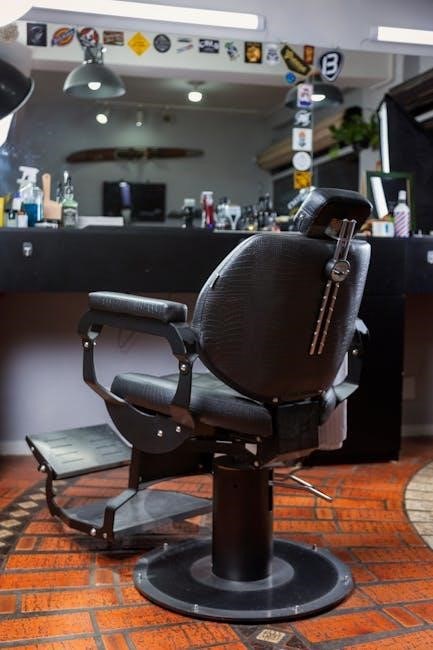
Maintaining a consistently sharp look hinges on regular haircuts. The ideal frequency depends heavily on your chosen hairstyle and hair growth rate. For classic, shorter styles like buzz cuts or fades, a trim every two to four weeks is generally recommended to preserve the shape and neatness.
Longer styles, or those with more texture, can often go longer between cuts – perhaps every four to six weeks. However, split ends and loss of shape will become noticeable over time.
Consider your personal preference and lifestyle. If you prefer a consistently polished appearance, more frequent visits are advisable. If you’re aiming for a more relaxed, natural look, you can extend the intervals. Regular maintenance prevents drastic changes and ensures your style remains consistently on point.